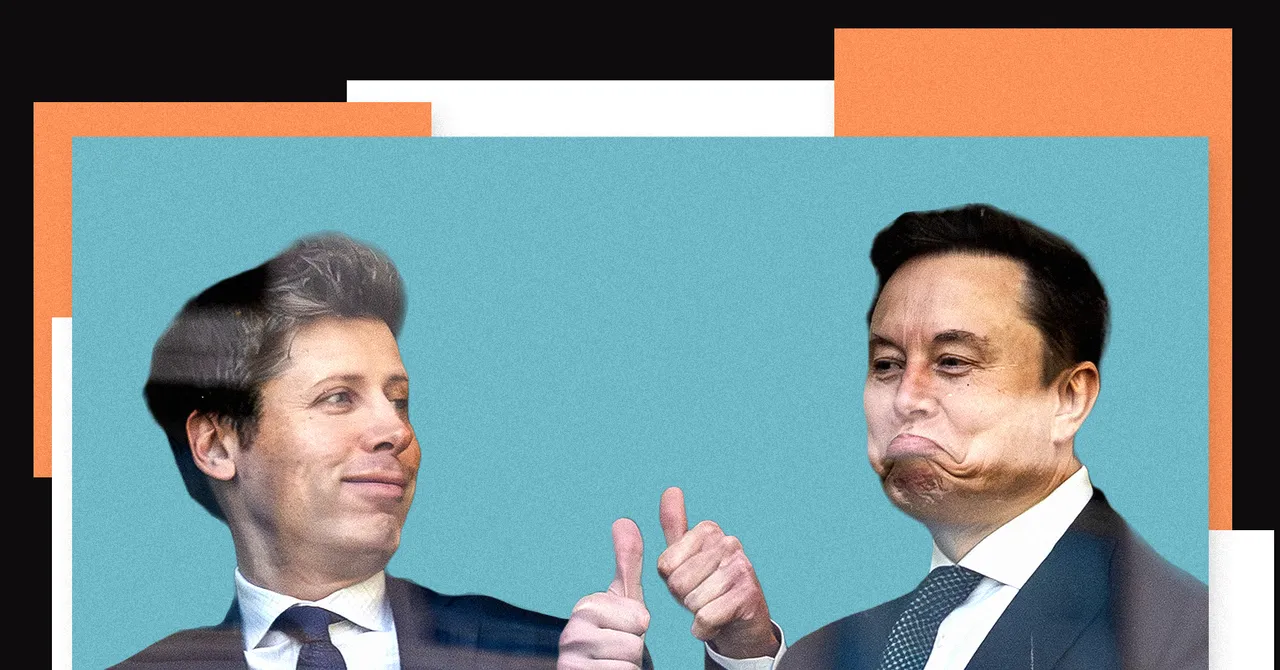
Elon Musk suffered the worst defeat possible in his legal battle against OpenAI as a federal jury and a judge ruled he waited too long to bring his claims against the AI startup and its top executives, Sam Altman and Greg Brockman.
While the jury’s decision was a nonbinding recommendation sent to US district judge Yvonne Gonzalez Rogers, she immediately accepted it as her own, making it final.
Musk’s lead trial attorney, Steven Molo, told the judge, “Our intention is to appeal.”
One of his other attorneys, Marc Toberoff, gave a one-word comment to reporters walking out of the courtroom: “Appeal.” He later said the verdict reminded him of American Revolutionary War moments like the Siege of Charleston and the Battle of Bunker Hill. “These were major losses for Americans, but who won the war?” Toberoff said. “And this one is not over.”
OpenAI’s attorneys hugged in the courtroom after the verdict was read. William Savitt, the company’s lead litigator, told reporters that the “overwhelming” amount of evidence presented in the case allowed the jury to act quickly. “The evidence that Mr. Musk’s lawsuit was an after-the-fact contrivance by a competitor was overwhelming,” he said.
Throughout the trial, Gonzalez Rogers questioned Musk’s motivation for fighting OpenAI. But she concluded on Monday that the three-week global public spectacle had been worthwhile.
“I thought it was an important issue to be tried … for us to have a trial to bring clarity,” she told attorneys for both parties. “There’s a substantial amount of evidence to support the jury’s findings, which is why I was prepared to accept the jury’s findings and dismiss on the spot.”
The nine-member panel delivered the unanimous verdict in an Oakland, California, courtroom on Monday after deliberating for under two hours. They found that statutes of limitations expired well before Musk filed his lawsuit in 2024. Musk had hoped to persuade the jury that Altman and Brockman, with the help of Microsoft’s cash, transformed OpenAI into an enormous company well beyond what was envisioned when the three of them and others founded it as a nonprofit nearly 11 years ago.
Because the jury found the case wasn’t filed on time, it didn’t weigh in on Musk’s three claims, including breach of charitable trust, unjust enrichment, and, against Microsoft, aiding and abetting. Losing on what amounts to a technicality could provide Musk an opening to keep trying his case in the public by arguing that the jury never ruled against his core argument that a charity was stolen.
Savitt, the OpenAI lawyer, disputed that contention on Monday. “It’s not a technical decision, it’s a substantive one,” he said. “It says you brought your claims too late, and you did it because you were sitting on them to use them as a weapon of a competitor who can’t compete in the marketplace, and so we’re delighted with the outcome.”
Microsoft spokesperson Alex Haurek said in a statement that the “facts and the timeline in this case have long been clear” and the tech giant remains “committed to our work with OpenAI to advance and scale AI.”
In posts on X, Musk called Gonzalez Rogers an “activist” judge “who simply used the jury as a fig leaf” and ruled on a “calendar technicality.” While the judge’s ruling doesn’t create a formal legal precedent, Musk claimed that, “She just handed out a free license to loot charities if you can keep the looting quiet for a few years!” He added in a separate post, “There is no question to anyone following the case in detail that Altman & Brockman did in fact enrich themselves by stealing a charity.”