
[ad_1]
A breakdown in trade negotiations between the US and Canada over the weekend led Washington to impose a 50% tariff on a wide range of Canadian goods, including furniture, dairy, electrical products, and plywood.
But the tariffs specifically exclude one of the most critical products crossing the border between the two countries: crude oil.
The US is by far the largest buyer of Canadian crude, accounting for 90% of Canada’s crude exports in 2025, or roughly 126 billion Canadian dollars of a total CA$140 billion. The dependence runs in both directions: Canada supplied roughly 63% of all US crude imports last year.

Those figures reflect a North American oil industry that has become deeply integrated over decades, particularly between Alberta’s oil fields and US refineries.
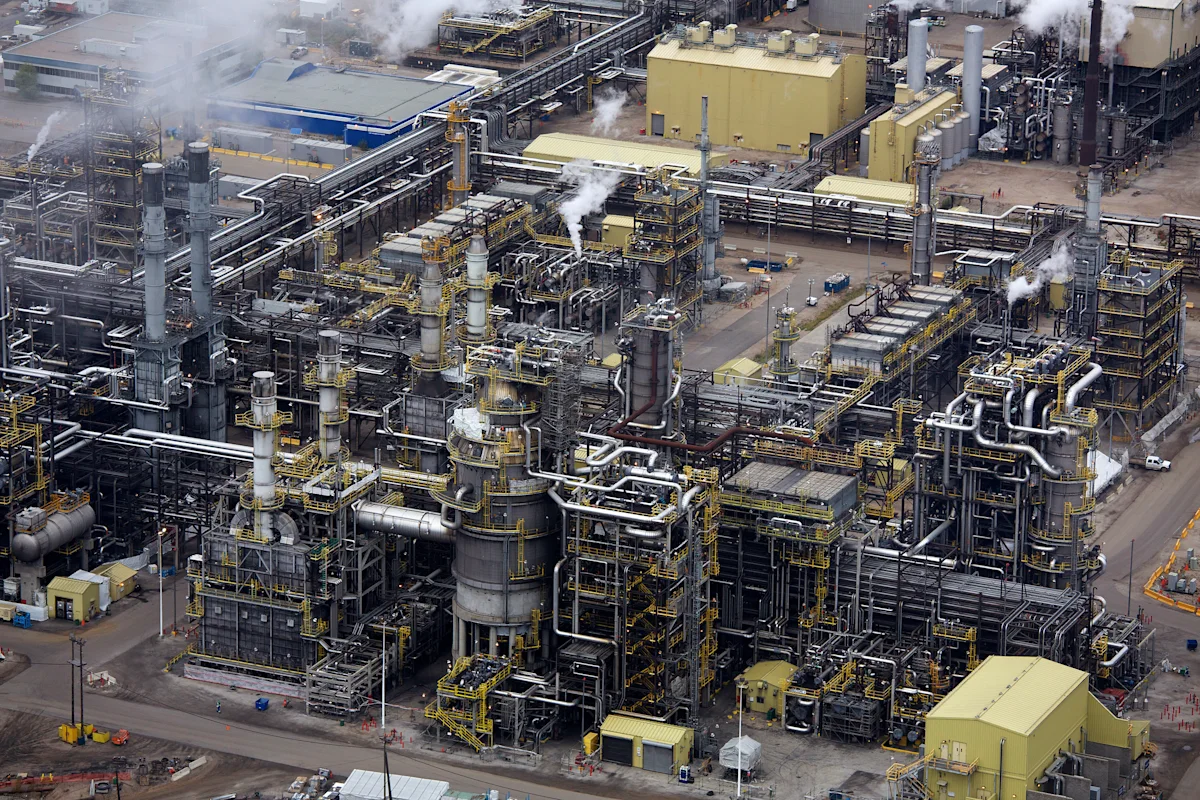
Alberta holds massive deposits of bitumen, an extremely heavy form of petroleum found mixed with sand, clay, and water in the province’s oil sands. As Canada developed those resources, refiners across the US Midwest invested billions of dollars expanding their capacity to process heavy crude, with growing supplies from Alberta increasingly accessible through pipelines projects that ran cross-border.
Along the Gulf Coast, refineries built and expanded in the 1980s and 1990s to process heavy crude from Venezuela and Mexico were also well suited to processing Alberta’s heavy barrels as Canadian supply expanded.
That refining system has created an unusual mismatch with America’s own oil production.
The shale boom has made the US the world’s largest crude producer, but much of its production is light, sweet oil. Many US refineries, meanwhile, are configured to process heavier crude profitably. The US, therefore, exports large quantities of domestic light crude even as it imports millions of barrels of heavier Canadian oil each day.

The decision to leave that trade out of the new US tariffs — while Ottawa has so far refrained from publicly threatening to retaliate by cutting oil exports — exposes a central dilemma for both countries: the US can’t easily replace the Canadian barrel, and Canada can’t easily replace the American buyer.
That mutual dependence means bringing oil into the trade fight could inflict high costs on both sides of the border.
Canadian energy isn’t entirely exempt from US tariffs. Energy exports have faced a 10% tariff since March 2025, though some Canadian crude can avoid the levy if it qualifies for preferential treatment under the US-Mexico-Canada Agreement. But the subsequent tariff actions — including the latest 50% levies — have exempted energy trade.
[ad_2]
Source link