
Quick Read
-
The OBBBA signed July 4, 2025 eliminated the 30% federal solar tax credit for any system installed after December 31, 2025.
-
“Placed in service” requires utility interconnection approval, not just installation. Your permission-to-operate letter must be dated 2025 to qualify.
-
Leased panels and PPAs are ineligible, and because the credit is nonrefundable, it cannot generate a refund beyond taxes actually owed.
-
Are you ahead, or behind on retirement? SmartAsset’s free tool can match you with a financial advisor in minutes to help you answer that today. Each advisor has been carefully vetted, and must act in your best interests. Don’t waste another minute; learn more here.
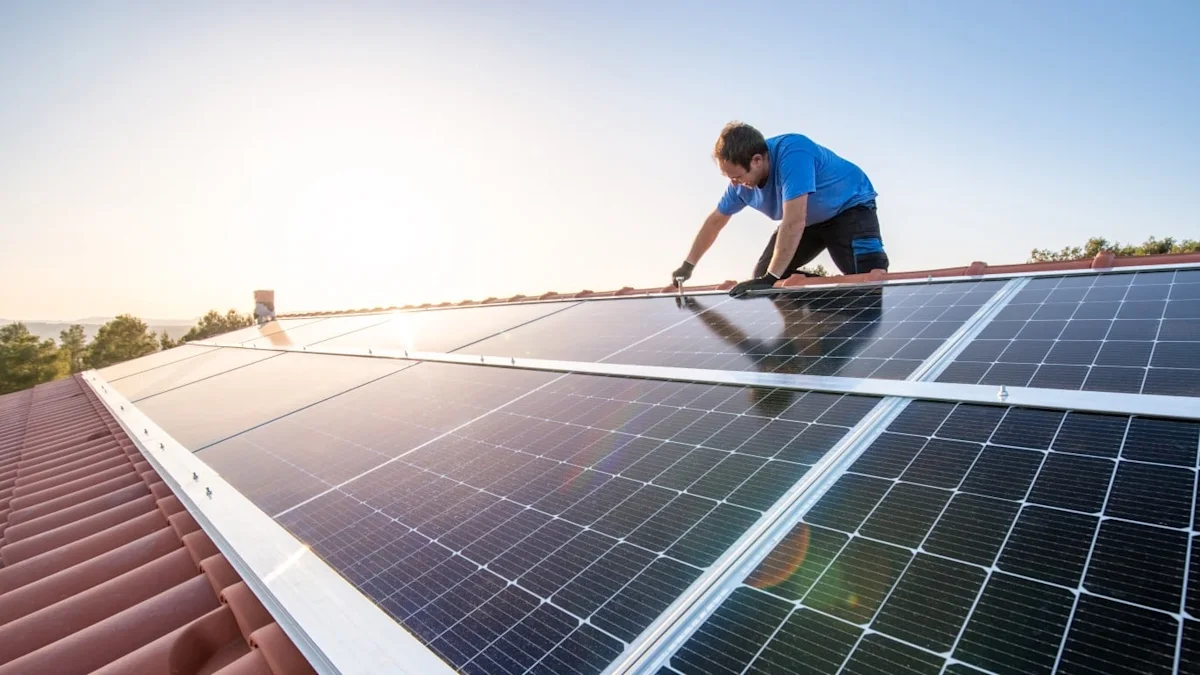
If you had rooftop solar panels installed in 2025, the IRS still owes you back about a third of what you paid. The Residential Clean Energy Credit gives you a 30% federal tax credit on qualifying solar installations. A law signed last summer, though, gutted the timeline. If you install in 2026, you get nothing at the federal level. The solar tax credit is essentially ending, not merely shrinking.

The Law
Section 25D of the Internal Revenue Code lets you knock 30% of your solar system cost directly off your federal tax bill. This is a credit, not a deduction, so it comes off dollar for dollar. A $24,000 rooftop system produces a $7,200 credit. There is no cap on the dollar amount, and if the credit is larger than your tax liability in one year, the unused portion carries forward to future years while the credit still exists on the books.
_________________________________
What’s Your Number…?
Here’s a question most people 5y from retirement can’t answer: at your current savings rate, how much do you need, and how long will it actually last? A good advisor can put a date on that in a single meeting. SmartAsset’s free quiz matches you with up to three fiduciary advisors serving your area, so you can get YOUR retirement number now (sponsor)
__________________________________________
Citing The Proof
The credit lives in 26 U.S. Code Section 25D. The Inflation Reduction Act of 2022 extended it at 30% through 2032, then stepped it down to 26% in 2033 and 22% in 2034. The One Big Beautiful Bill Act (OBBBA), signed July 4, 2025, accelerated the sunset dramatically. Under the new law, qualifying expenditures for residential solar electric property must be made on or before December 31, 2025. Systems placed in service in 2026 or later receive nothing at the federal level.
Who Qualifies, and Who Does Not
Homeowners who paid for a solar system on a home they use as a residence in the United States are eligible. Both primary and secondary homes qualify. Pure rental properties you do not live in do not. You must own the system outright or finance it. Leased panels and Power Purchase Agreements (PPAs) are excluded, because the credit goes to the owner of the equipment, which in those cases is the solar company, not you.