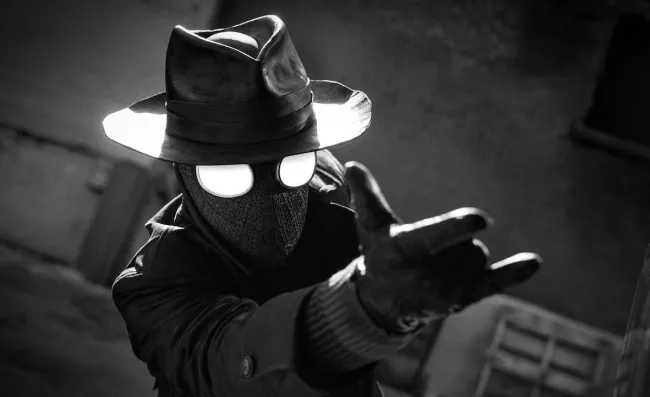
A show like “Spider-Noir” requires technical filmmaking at the highest possible level from every department on set. In addition to the priceless intellectual property and the star power of Nicolas Cage on set, the stakes were also raised by the intricacy of some of the show’s comic book-inspired sequences. And the fact that the episodes were shot with the intention of being seen in both color and black-and-white did not make anything any simpler.
Many scenes involved a combination of practical stunts and effects that were added in post-production, which meant that intense preparation and frequent communication were non-negotiable necessities.


During IndieWire’s Emmy season Craft Roundtables, “Spider-Noir” VFX supervisor Hnedel Maximore broke down part of his process. He explained that there was not much room for improvisation or spontaneous creative changes because of the need for precise timing. That meant that the VFX department had to previsualize key sequences and precisely communicate their needs to the stunt team, and then stick to their artful plan all the way through the editing room.
“On ‘Spider-Noir,’ we had a lot of technical, timing things that are highly dependent on stunts and special effects and all of the departments playing well together. We stayed true to a lot of the sequences that we planned and prevized and shot for. And you have to be dogmatic about it because otherwise you blow your budget, or you lose the tone of the show.”
Per Amazon’s synopsis, “‘Spider-Noir’ is a live-action series based on the Marvel comic ‘Spider-Man Noir.’ The eight-episode first season tells the story of Ben Reilly (Nicolas Cage), a seasoned, down on his luck private investigator in 1930s New York, who is forced to grapple with his past life, following a deeply personal tragedy, as the city’s one and only superhero.”
“Spider-Noir” is now streaming on Prime Video. For more from all of our Craft Roundtables, click here.