Venezuela’s interim president said in a statement that the agreement would have “a significant impact on our nation’s revival”.
The deal calls for the development of 17 strategic oil fields with a proven potential of 65 billion barrels, as well as “an investment of more than $100bn and more than $209bn in taxes” for Venezuela, Rodriguez said.
“These investments will contribute not only to the recovery and modernisation of our industry, but also to our country’s economic growth, the energy security of our hemisphere and greater balance in international markets,” she said.
Rodríguez – Maduro’s former vice-president, who the US backed following his capture – gave the venture a 100-year concession to operate in the oil fields, the unnamed US official told CBS.
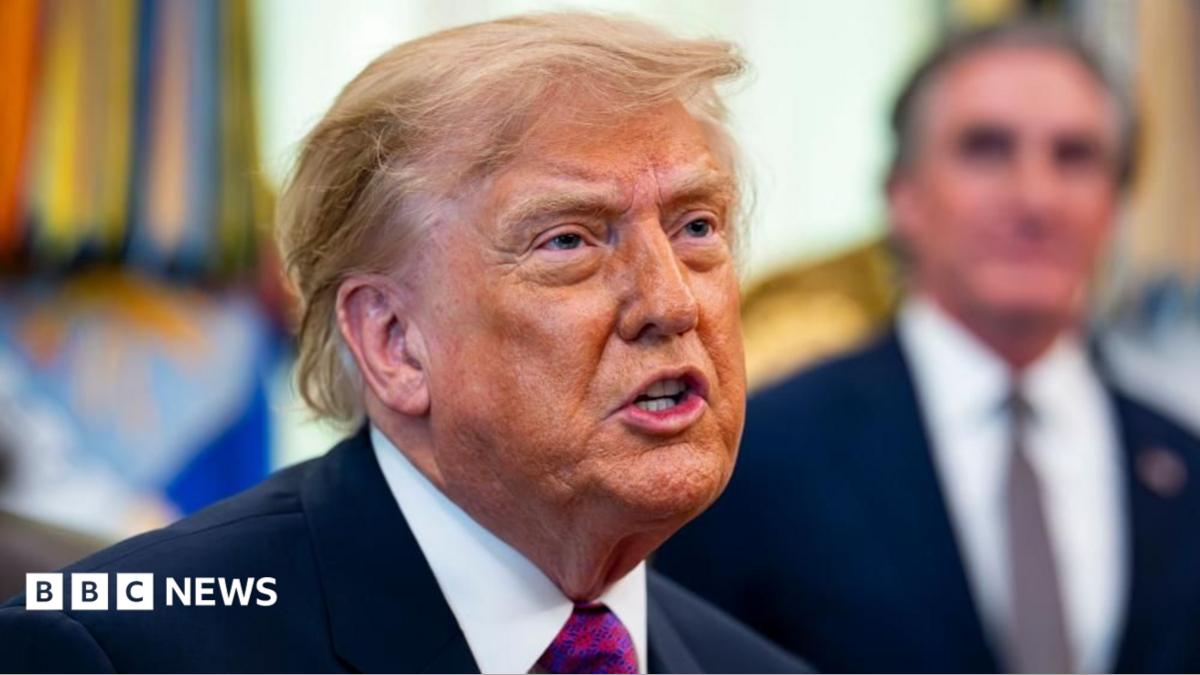
Trump gave few specifics of the highly unusual agreement, which apparently grants the US direct governance over a foreign country’s sovereign national resources.
The deal would also appear to be wider in scope than the US-led Coalition Provisional Authority’s control over Iraq’s oil revenues after Saddam Hussein was ousted in an American-led invasion in 2003.
But it is unclear whether the Venezuela agreement could face legal and constitutional challenges in the South American nation. The official text of the agreement between Washington and Caracas has not been published.
Venezuela has the largest proven oil reserves in the world – an estimated 303 billion barrels.
However, production has plummeted since its peak in the late 1990s, in part due to a tightening of controls over its state-run oil firm and US sanctions targeting its main economic lifeline.
Hours after US special forces captured Maduro and his wife, Cilia Flores, in a raid on the Venezuelan capital, Trump said the US would indefinitely control the sale of the country’s oil.
He has also claimed the rights to Venezuela’s oil after saying that the country had in the past “unilaterally seized and sold American oil, American assets and American platforms, costing us billions and billions of dollars”.
His framing of the deal as part of efforts to drive down domestic petrol prices comes as the global price of oil has jumped up significantly as supply via the Strait of Hormuz in the Persian Gulf has effectively been stymied – spurring discontent ahead of the US midterm elections in November.
However, Venezuela’s oil reserves are made up of so-called “heavy, sour” oil, which is harder to refine and used for making diesel and asphalt, while the US typically produces “light, sweet” oil useful for making petrol.
Trump has asked US oil firms to invest at least $100bn (£75bn) to restore the country’s oil industry.